Founders Hackathon Stuttgart: 22 products in one Saturday

Sachin Agrawal
Always building 5 projects, sometimes finishing them. Community builder.
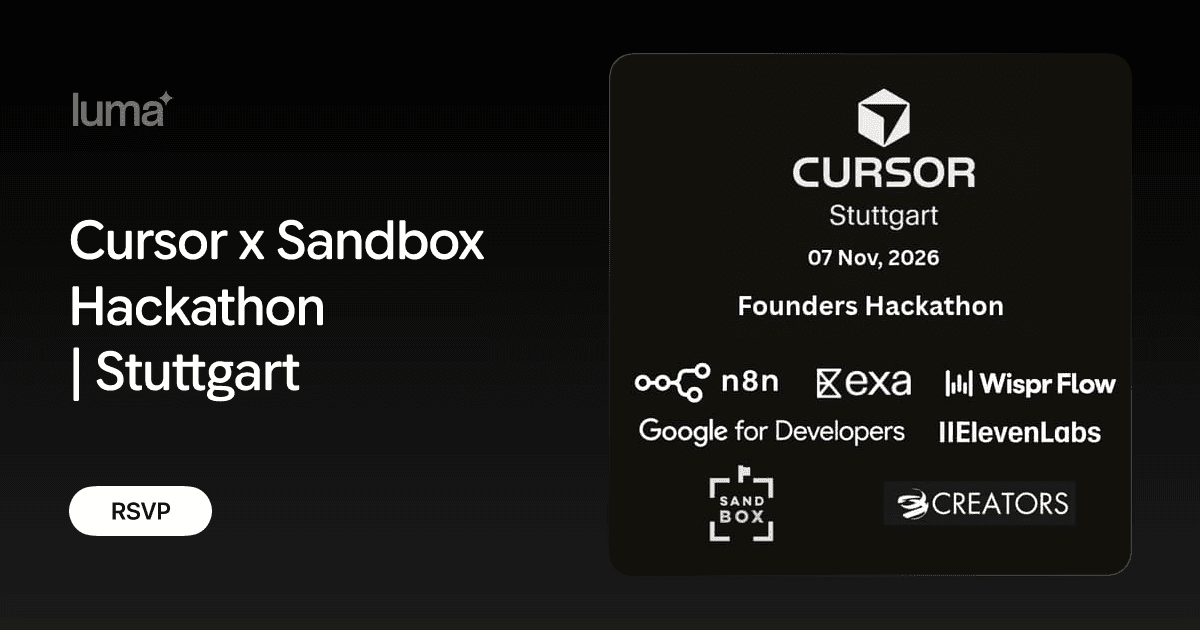
On Saturday, 7 November 2026, 62 people checked in at CREATORS space for the Founders Hackathon in Stuttgart. Cursor and Sandbox ran the day with CREATORS. Teams started at 10:00 with an idea. By 17:15, 22 teams had handed in a working product, a GitHub repo, a pitch deck, and a demo video. Eight of them pitched on stage that evening.
One Saturday, from a blank page to a pitch
Teams were one to four people, and the lock-in was 11:30. The brief was to test a new idea, not to keep building one a team already had. Judges scored four things at 25% each: the problem and the customer, the product, the business, and the team and the pitch. Breakfast, lunch, and Sandbox coaches were in the room. Each finalist had five minutes to present and three minutes of questions.
The public event page is still on Luma. Sandbox, the accelerator at Stuttgart Media University, co-hosted the day. Their recap is on Sandbox's LinkedIn.
The winners
Finalist scores are the average of four jury members: Rayn Subramaniam, Manuel Szedlak, An Dang, and Michael Ströbel. Olo finished at 83.1, Huna at 74.4, and Nonnina at 71.9.
Founders Hackathon Stuttgart 2026 — Winners
3 winning projects selected by our judges

Nonnina
Nonnina
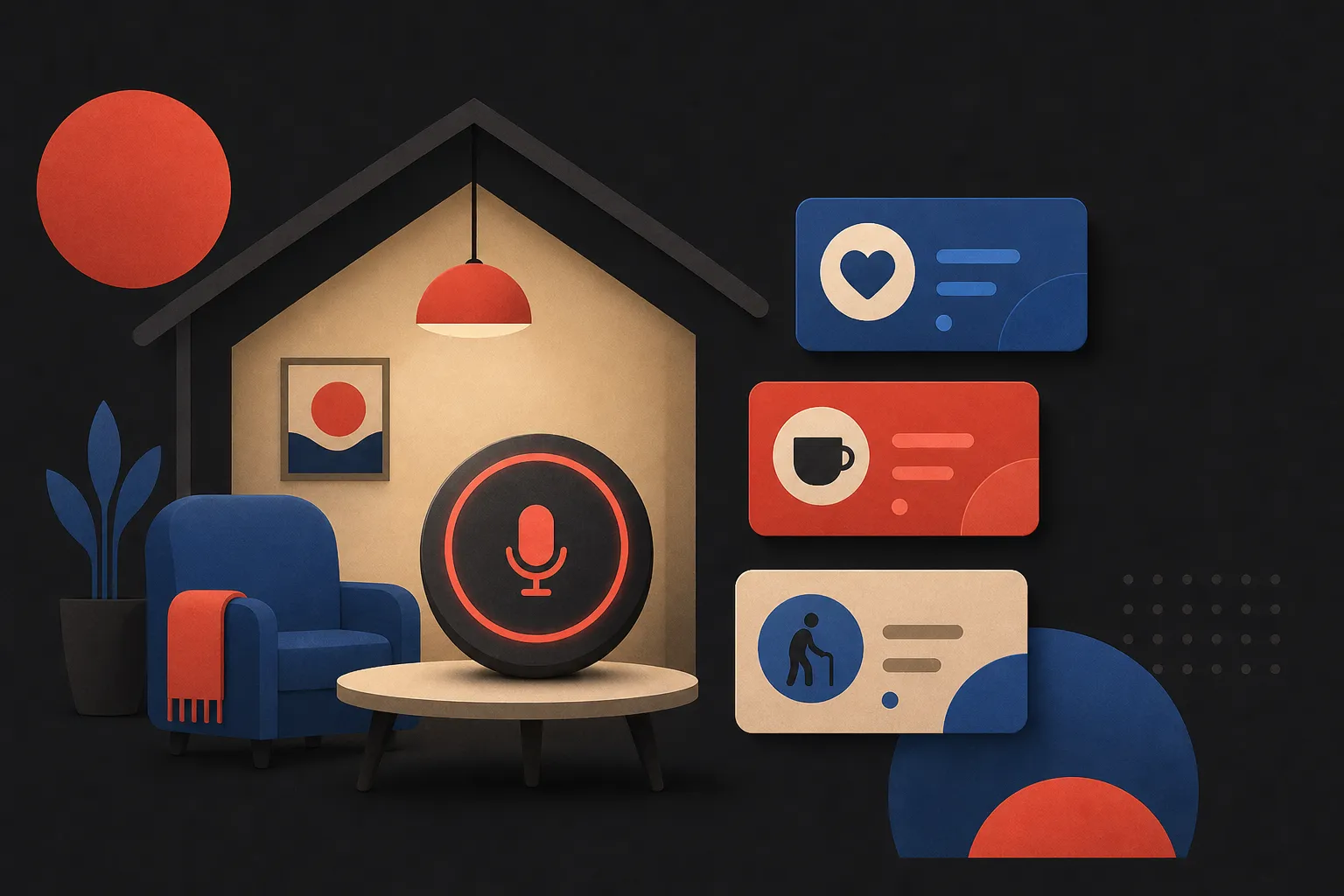
Nonnina is an AI-powered, voice-activated platform that helps older people. It has a family dashboard and a verified helper marketplace, like Fiverr or Upwork, but with ID-verified locals and family approval. We built it end to end. Maria, 82, presses one button and speaks. Our AI first tries to solve the need itself (a recipe, a call, an order). If it can, there is no job and no fee.
What the top three built
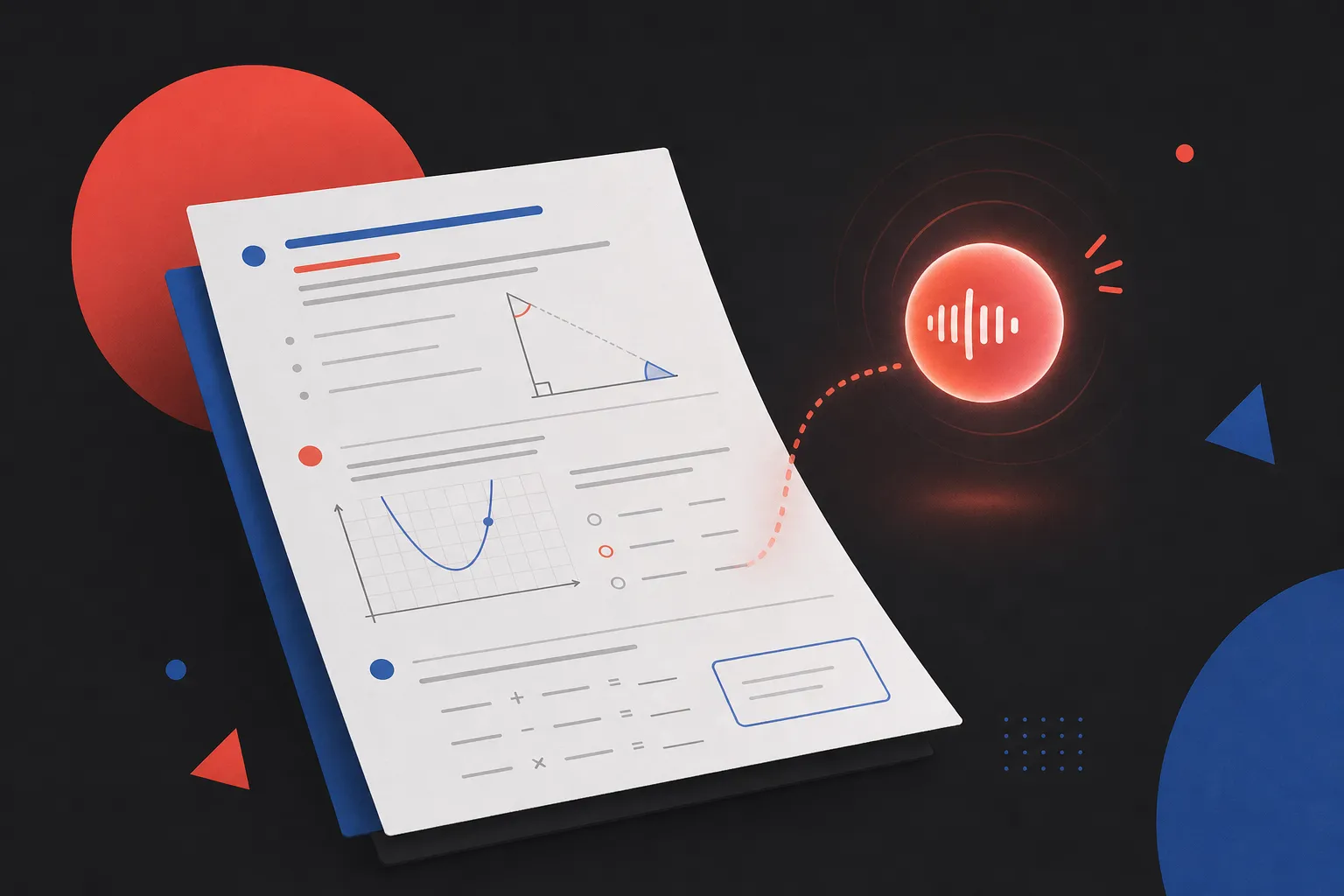
Olo, a voice tutor for homework
Ravil Safargaliev and Dmitry Dmytrov built Olo for families who are new to a country. A child photographs a worksheet and asks, in their own language, what the exercise wants. Olo explains it out loud and gives hints, so the child still does the work. Try the demo or read Ravil's account of the day.
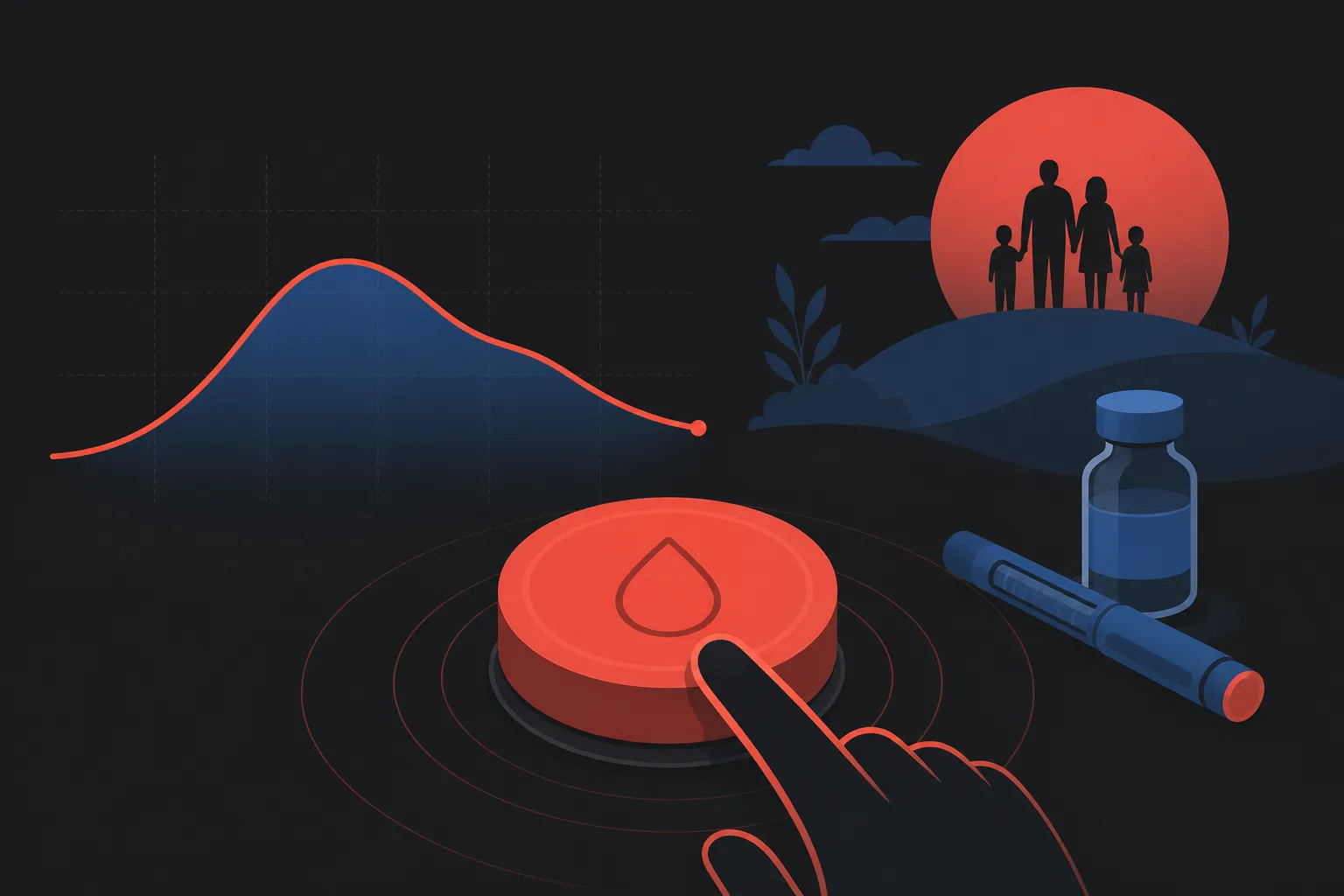
Huna, one look at insulin
Elyes Manai and Niklas Gittel built Huna so relatives of someone on insulin can see, in one glance, whether things are fine, and tap once for help when they are not. The landing page is here.
Nonnina, help at home for older people
Gloria Niiquaye, Ruben Havrestiuc, Arjit Yadav, Megha Darda, and David Göz built Nonnina, a voice assistant for older people, with a family dashboard and ID-checked local helpers. On the day they called 26 care providers in Stuttgart and reached four. The site is nonnina.eu.
Five more teams worth opening
- Sponsorenkompass, by Timon Graf. A sports club in Konstanz said they would pay 25% of every sponsorship someone brought in. He priced a season of sponsor-finding at 169 euros, covered by a single local sponsor.
- mea.haus, by Sasi Kiran Bejjavarapu. A household admin app that pulls bills, notice periods, and events out of a photo, a PDF, or a voice note. The team surveyed 56 households before the day. 55% had missed a bill, contract, or event deadline in the past year.
- Sentinel, by Elia Baisch, Benjamin Mehl, Ewan Fabiani, and Tayeb Mokni. It records EV battery data from a standard OBD dongle on every drive and charge, then shows fleets how fast a battery is ageing.
- RainVeil, by Masoud Kargar and Zahra Dehghan Ashkezari. A clay facade that cools a building with stored roof rain, plus a planner that sizes the tank from ten years of weather data.
- FreshShare, by Murali Krishna Sunkara and Jaya Vaka. Neighbours post spare food, others nearby claim it. In their survey, 16 of 18 people throw food away at least once a month.
Every submission, with scores and links
All 22 projects, the GitHub repos, the videos, and the jury scores are on the hackathon projects page. Earlier CREATORS hackathon write-ups: Heilbronn and Mannheim.
This article is also available in German: Deutsch